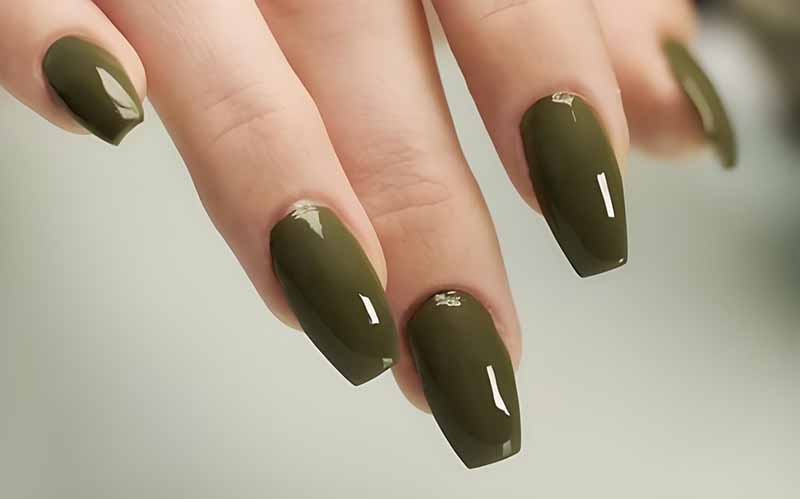
I remember the first time I saw ballerina nails. I was scrolling through Instagram and stopped at a photo of perfectly shaped, tapered nails with a flat tip. They looked elegant, modern, and surprisingly wearable. I assumed they were a variation of coffin nails, but the more I looked, the more I noticed the subtle differences. That curiosity led me down a rabbit hole of research, practice, and eventually mastering this stunning shape.
Here is everything I have learned about ballerina nails—what they are, how they differ from coffin nails, how to achieve them, and how to keep them from breaking.
What Are Ballerina Nails?
Ballerina nails—also known as ballet nails—are a nail shape that features tapered sides that meet at a flat, straight tip. The shape resembles the flattened tip of a ballerina’s pointe shoe, hence the name. The silhouette is elegant, elongated, and distinctly feminine.
The shape is characterised by a narrow, squared-off tip with sides that taper inward from the cuticle. The result is a nail that looks slender, graceful, and sophisticated. Ballerina nails are typically longer than average, as the tapered shape requires enough length to achieve the distinctive silhouette.
Ballerina vs. Coffin Nails: What Is the Difference?
This is one of the most common questions—and the answer is subtle but important.
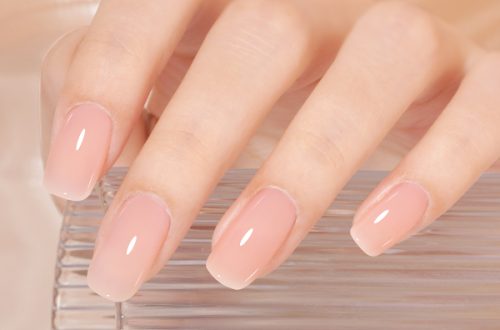
Ballerina nails have a flatter, slightly rounded tip that mimics the shape of a pointe shoe. The tip is straight across but with softly rounded corners. The sides taper evenly from the cuticle to the tip, creating a gentle, graceful silhouette.
Coffin nails have a sharper, more angular tip that resembles the shape of a coffin. The tip is flat and straight across, with sharp, pronounced corners. The sides are tapered more dramatically, creating a more severe, edgy look.
In practice, the difference is a matter of degree. Ballerina nails are softer and more rounded at the tip; coffin nails are sharper and more angular. Both are elegant and modern, but ballerina nails feel slightly more delicate and feminine.
How to Achieve Ballerina Nails
Achieving the perfect ballerina shape requires a combination of length, technique, and patience.
Step 1: Grow or Build Your Length
Ballerina nails require length. The tapered silhouette needs enough nail to create the distinctive shape. If your natural nails are short, consider using tips or extensions to achieve the necessary length.
Step 2: File the Sides
Start by filing the sides of your nails. File at an angle from the sidewall toward the centre of the nail. The goal is to create a tapered silhouette that narrows as it approaches the tip. Work slowly and check your progress frequently. Both sides should be symmetrical.
Step 3: File the Tip
Once the sides are tapered, file the tip straight across. The tip should be flat and even, creating a clean, straight edge. For ballerina nails, the tip should be slightly rounded at the corners, not sharply angular.
Step 4: Check the Silhouette
Look at your nail from above, from the side, and from the palm side. The shape should be even and balanced. If one side is straighter or more tapered than the other, adjust with gentle filing.
Step 5: Smooth and Finish
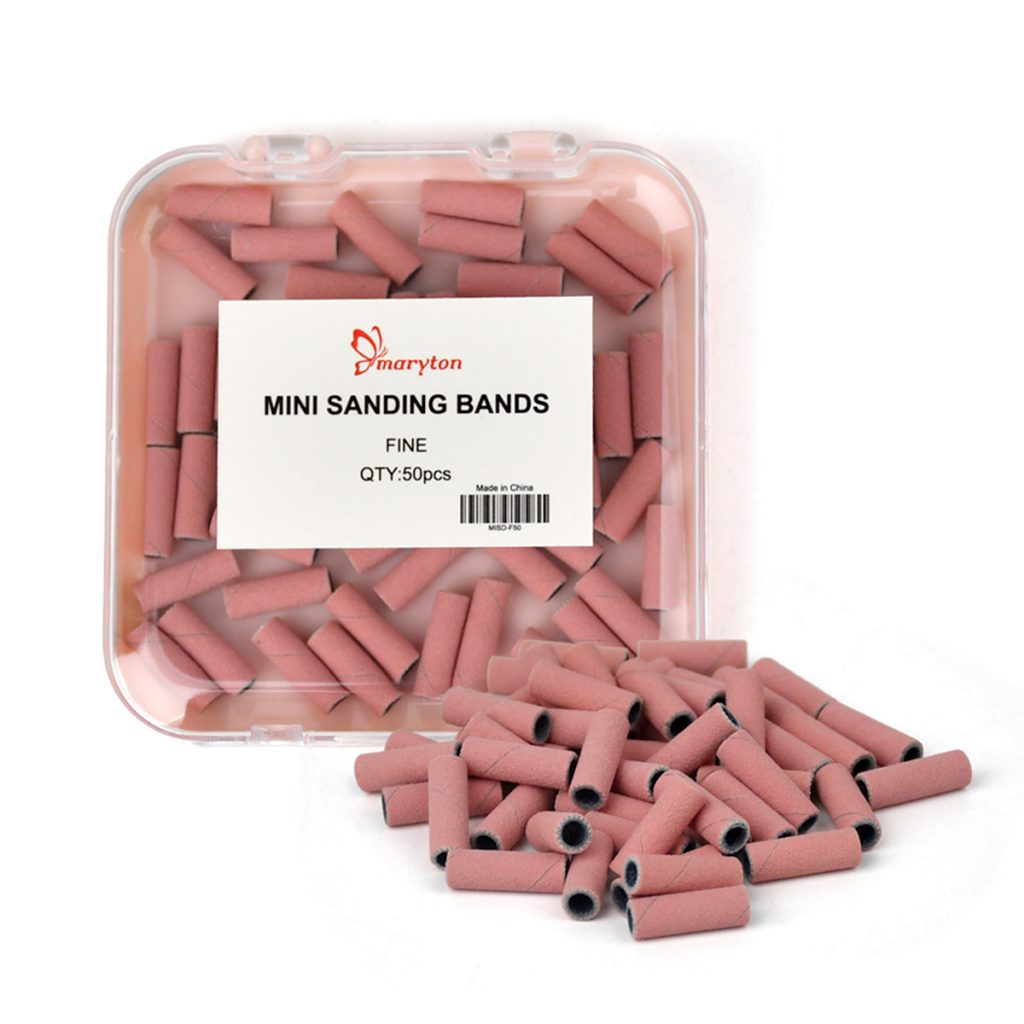
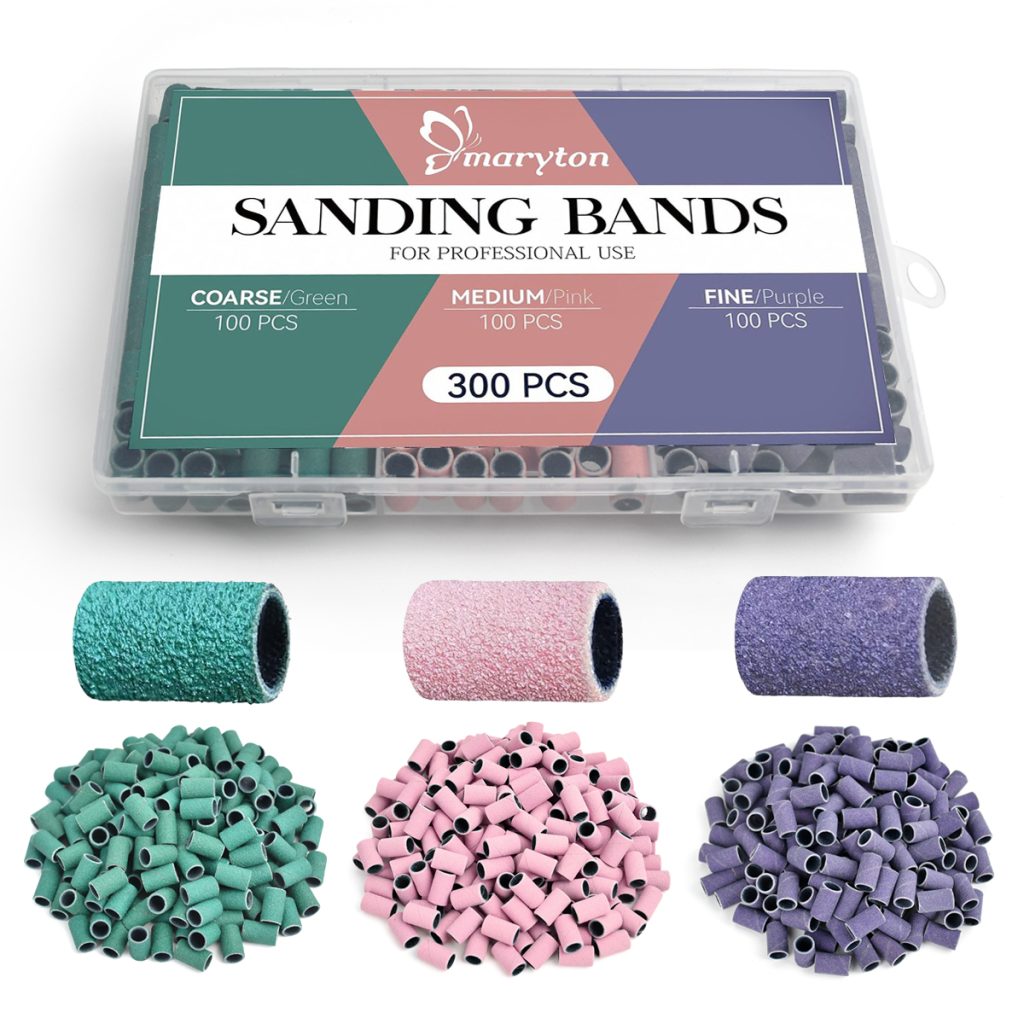
Use a fine-grit sanding band to smooth any rough edges. Buff the surface lightly to create a smooth, even canvas for polish.
Tips for Achieving the Perfect Ballerina Shape
Take your time. This shape requires patience. Rushing leads to uneven sides and an unbalanced silhouette.
Check your symmetry frequently. Hold your hand up and look at the shape from multiple angles. A slight difference in taper can make the shape look lopsided.
Use a fine-grit file. A coarse file removes too much material too quickly. A fine nail file gives you more control.
Work with your natural nail bed. The shape should complement your natural nail shape, not fight against it.
Consider gel or acrylic for durability. Ballerina nails are often longer, and natural nails may not be strong enough to support the shape. A builder gel or acrylic overlay adds strength without compromising the silhouette.
Are Ballerina Nails Strong?
Ballerina nails are a shape, not a material. Their strength depends on the length, the condition of the natural nail, and the products used.
Because ballerina nails are typically longer than average, they are more prone to breakage than shorter shapes. The tapered sides create a narrower stress point, which can be vulnerable to pressure. However, with proper structure and reinforcement, ballerina nails can be as strong as any other shape.
To strengthen ballerina nails: Use a builder gel or acrylic overlay to add structural support. Ensure the apex—the thickest point of the nail—is positioned correctly to distribute stress evenly. Keep the length reasonable. Extremely long nails are more prone to breakage. Apply cuticle oil daily to keep the nail plate flexible and hydrated.
How to Prevent Ballerina Nails from Breaking
Build a strong apex. The apex is the thickest part of the nail, located about one-third of the way from the cuticle. A well-built apex distributes stress evenly and prevents breaks.
Use reinforcement. A builder gel or acrylic overlay adds structural support. For natural nails, a strengthening base coat can help.
Keep nails at a manageable length. Ballerina nails do not need to be excessively long. A moderate length reduces the risk of breakage.
Apply cuticle oil daily. Hydrated nails are more flexible and less prone to breaking.
Avoid using your nails as tools. Do not open cans, peel stickers, or scrape with your nails. This puts lateral pressure on the tip, which is the most vulnerable part.
Wear gloves for wet work. Water and harsh chemicals weaken the nail plate. Protect your nails with gloves for dishwashing and cleaning.
Touch up chips immediately. A small chip can become a large crack if left untreated. File the edge smooth and apply a thin layer of top coat to seal it.
The Bottom Line
Ballerina nails are a beautiful, elegant shape that combines the sophistication of a tapered silhouette with the practicality of a flat tip. They are softer and more rounded than coffin nails, making them feel more delicate and feminine. Achieving the perfect ballerina shape requires length, patience, and attention to detail. With a strong apex, regular reinforcement, and careful maintenance, ballerina nails can be as durable as they are beautiful. Whether you are a seasoned nail enthusiast or a beginner looking to try something new, ballerina nails are a stunning choice that never goes out of style.
Read also: Gel Nails at Home: A Professional Guide to Application, Removal, and Aftercare


One comment on “The Complete Guide to Ballerina Nails: The Elegant Shape That’s Taking Over”